


Executive Functions - Intervention Strategies | 12-18 years old
Available

Description
Description
Executive Functions | 12-18 years old
Age Group: 12+
Executive functions do not mature automatically with age — they require targeted training, especially during adolescence, when demands increase rapidly and the brain is still developing.
“Executive Functions – Intervention Guide | Ages 12–18” provides professionals with a comprehensive, structured intervention system that works in practice. Each section begins with a brief theoretical introduction — definitions, developmental stages, and neuroscientific background — and immediately moves into activities that can be applied from the very next session.
The five thematic sections cover:
Inhibitory Control — Techniques such as Gas | Brake | Compass, response inhibition puzzles, and real-life adolescent scenarios (social conflicts, digital impulses, anxiety) help adolescents recognize impulses and make conscious choices.
Self-Regulation — The 90-Second Rule, the Intensity Ladder, body sensation mapping, and cognitive restructuring techniques provide adolescents with concrete tools to manage emotions and anxiety without escalating or withdrawing.
Working Memory — Reverse sentences, grouping under pressure, error detection, and the Feynman Technique train adolescents to retain and process information in demanding cognitive situations.
Cognitive Flexibility — Combining incompatible stimuli, moral dilemmas, the architecture of chaos, and abstract connections help adolescents shift perspective, tolerate uncertainty, and think creatively when things do not go as planned.
Planning & Organization — Backward planning, action prioritization, dynamic scheduling, and the mental contrasting technique equip adolescents with the tools to organize time, responsibilities, and goals with autonomy.
The book also includes the EFEF (12–18 years): an evaluation tool with age-based scoring scales, assessment charts, and a completed example for clinical application.
Year of publication: 2026
Author: Alice Kassotaki - Speech Language Pathologist MSc, BSc
Number of pages: 218
Specifications
Specifications
-
Book format
-
Age
-
Number of pages
-
Dimensions
-
Author
-
Pagination
-
Year of publication
Contents
Contents
Author
Author
Age
Adolescents
Author
Alice Kassotaki - Speech Language Pathologist MSc, BSc
Secure Payments
All major methods accepted — fully protected from checkout to delivery.
An intervention strategies resource for ages 12-18 featuring practical, realistic scenarios and activities. Customers said examples are engaging and relatable, avoiding the common pitfall of content that causes "an eye roll and complete disengagement." Praised for student-friendly approach.
- Very practical, realistic scenarios and activities for young people.
Fatto bene. Pratico e utile
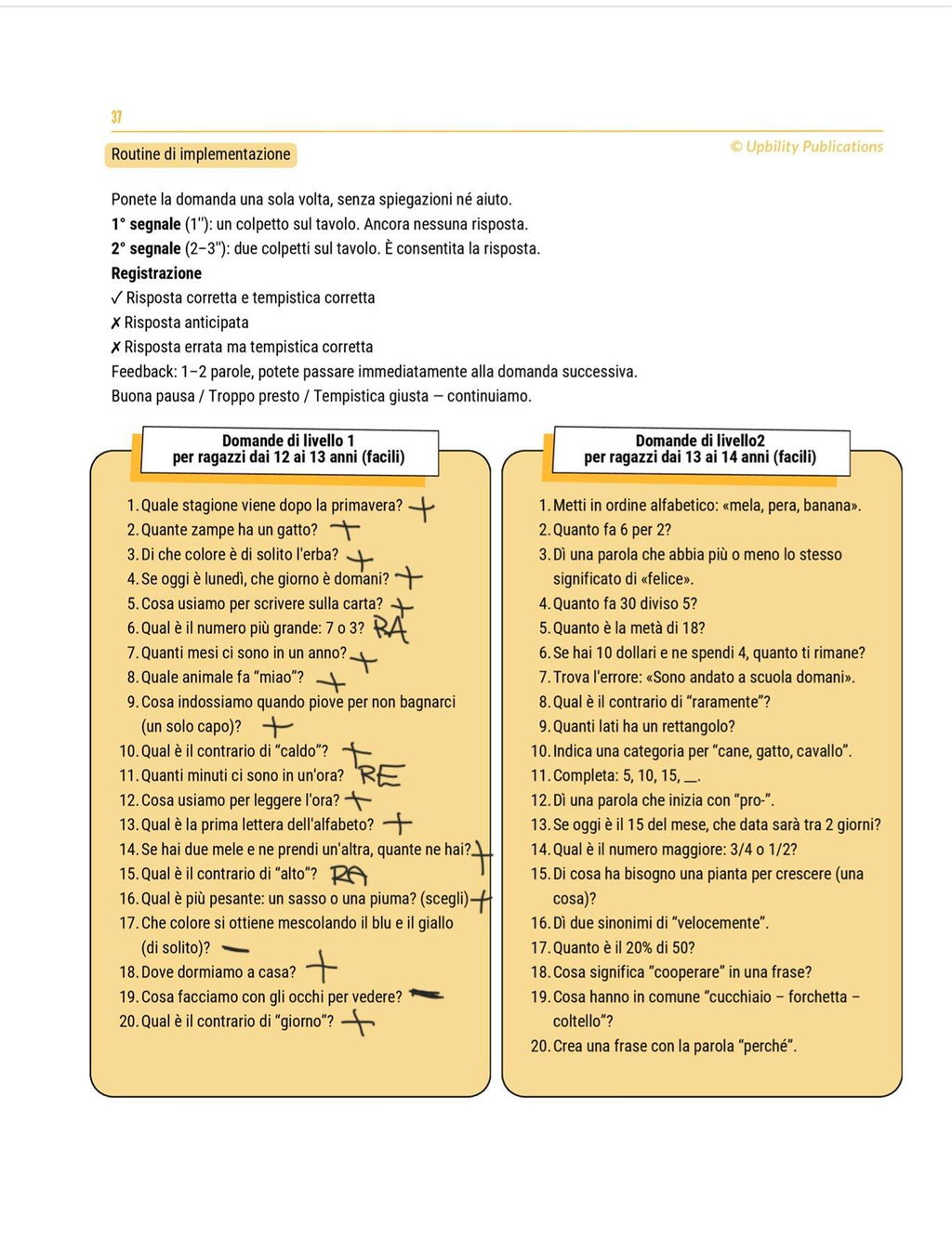
Ouvrage très intéressant. J'y trouve des techniques d'intervention intéressantes et originales pour mes coachings. Le fait que ce soit subdivisé par catégories, cela permet de trouver rapidement les outils dont on a besoin. Seul bémol, la police d'écriture, je la trouve trop petite.
Merci à l'autrice pour ce bel ouvrage.
Χρήσιμο εργαλείο
Ottimo libro. Manuale operativo con spiegazioni teoriche concise, ma esaurienti. Indicazioni pratiche di pronto utilizzo secondo un programma coerente
Excelente material y facil realizar la compra.
ottimi suggerimenti, adatti anche ad età diverse, libro da usare per più anni e in diversi momenti di crescita de* ragazzi*
Es un libro muy completo, tiene mucha información relevante que no se encuentra en cualquier libro o sitio web. Además, ofrece estrategias en forma estrucurada y con base científica, muy útil para trabajar en clínica.
I just started skimming your book and am soooo pleased to see the very practical, realistic scenarios and activities for young people. So often examples bring an eye roll and then complete disengagement. Can’t wait to use this book with my students.
Envoi rapide et bien emballé. Je n'ai pas eu encore le temps de le déballer.
Il manuale è pratico, ben organizzato e strutturato
Molto utile nella pratica riabilitativa. Ho acquistato anche il precedente, per fascia d'età, e sono molto soddisfatta di entrambi. Grazie Upbility, per la qualità dei prodotti 😊
παρα πολυ καλη δουλεια, το βιβλιο αξιζει καθε ευρω που εδωσα. συνγχαρητηρια για την αψοξη δουλεια σας.
Το χρησιμοποιώ καθημερινά στις συνεδρίες και αποτελεί ένα εξαιρετικό εργαλείο για τους εφήβους!
Ευχαριστούμε πολύ!
Καταπληκτικό υλικό για εφήβους, με έχει βοηθήσει πολύ!
Διαβάζοντας την προέκδοση, ένιωσα ότι το βιβλίο έχει μια καλή ροή και σε καθοδηγεί χωρίς να σε κουράζει. Είναι από αυτά που τα ανοίγεις και βρίσκεις γρήγορα κάτι χρήσιμο για να δουλέψεις.
Ευχαριστώ για την προέκδοση του βιβλίου, είχα την ευκαιρία να τη δω και μου φάνηκε αρκετά εύχρηστη. Οι δραστηριότητες είναι ξεκάθαρες και μπορώ να τις εφαρμόσω άμεσα στη συνεδρία.
